The Quantified Mind Has Limits: Reading Wearable Data Without Letting It Read You
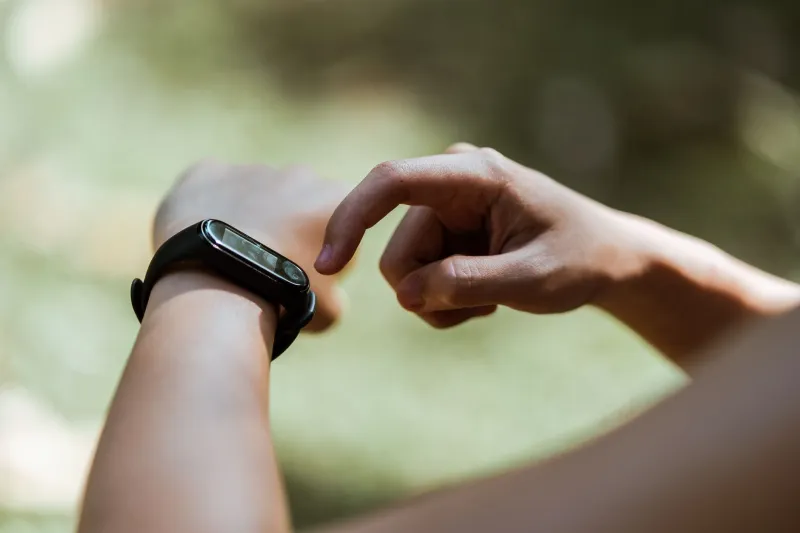
Consumer wearables have moved from novelty to norm. A wristband can estimate sleep stages, flag a rise in resting heart rate, prompt a breathing exercise, and ask a user to rate mood on a five-point scale. Mood-tracking apps can log anxiety, irritability, and energy across weeks. For people trying to understand their mental health, the appeal is obvious: more data appears to promise more control.
The evidence supports a narrower claim. Wearables and mood apps can support self-monitoring, routine, and communication with a clinician. They cannot diagnose depression, anxiety, or insomnia, and they cannot replace therapy. The clinical challenge in 2026 is not whether patients will bring tracking data into care. It is whether they will interpret that data accurately and whether the act of tracking is helping or harming.
What Wearables Actually Measure
Consumer devices measure proxies, not psychiatric states. Sleep scores rely on movement, heart rate, and proprietary algorithms; sleep-stage estimates often agree only modestly with laboratory polysomnography. Heart rate variability is influenced by alcohol, illness, exercise, hydration, and stress. A low score is not a diagnosis, and a high score is not proof of resilience. Mood app data are self-report and sensitive to question wording, time of day, and recall. They are most useful as longitudinal patterns, not as laboratory tests.
The Orthosomnia Problem and Metric Anxiety
In 2017, researchers described orthosomnia: a preoccupation with sleep data and a pursuit of the perfect score that can worsen sleep. Since then, clinicians have reported similar patterns with activity rings, readiness scores, and mood streaks. Metric anxiety can generalize. A person checks heart rate variability before a meeting and interprets a dip as impending failure. Someone reduces activity to protect a streak. For people with anxiety or obsessive-compulsive traits, repeated checking can function as reassurance seeking. The device becomes a compulsion rather than a coping tool. Mood tracking can likewise increase rumination when each entry becomes a judgment.
When Tracking Helps and When It Becomes Avoidance
Tracking helps when it answers a specific question. Does mood reliably drop after poor sleep? Do breathing exercises change afternoon tension? It helps when review is scheduled and bounded, and when data are paired with context. It becomes avoidance when checking replaces action, when scoresdetermine whether someone socializes or exercises, when a person delays care because the numbers are not bad enough, or when data are used to argue with a therapist rather than inform treatment. A useful test: after checking, is the person more engaged with life or more focused on the device?
Guardrails for Using Data Wisely
Limit metrics. Choose no more than three signals that matter. Use weekly trends, not nightly verdicts. Set a review time and keep it short. Do not check first thing in the morning if the number shapes the day. Record context alongside numbers: alcohol, deadlines, grief, illness. Treat scores as hypotheses. Ask what else could explain the pattern. Notice emotional response: if checking reliably produces dread or reassurance cycles, pause. Keep the device in service of behavior, not as a verdict.
Bringing Data Into Therapy Without Letting It Take Over
Patients can bring a simple summary, not raw streams. A clinician can ask what the data mean to the patient, what decision they support, and what happens after checking. Therapists can use tracking to identify avoidance, reinforce behavioral activation, or test catastrophic predictions. They should also assess for orthosomnia, reassurance seeking, and health anxiety. The goal is collaborative: data inform care, not supervise it. If tracking is increasing distress, a planned break is a clinical intervention, not a failure.
Wearables are not therapists. They are instruments. An instrument is useful when its limits are understood. In mental health, the most important data often remain the patient's account, the clinician's assessment, and the ordinary evidence of how life is going. A watch can support that picture. It should not become the picture.